What to Expect During Your First Dental Bonding Consultation
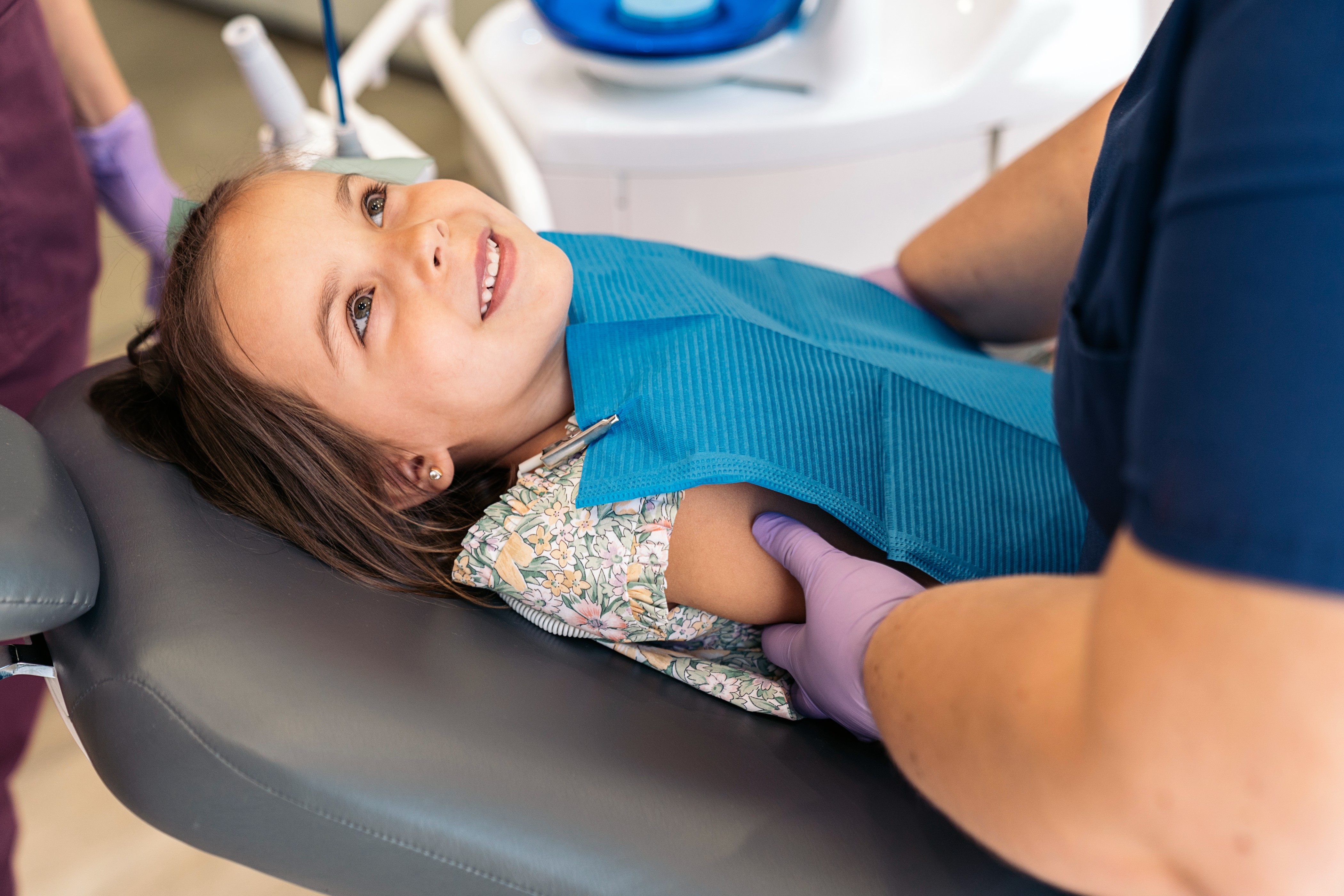
If you are considering Dental Bonding for a chipped tooth, a small gap, worn edges, or a spot that simply does not look the way you want it to, the first consultation tends to be much less intimidating than people expect. Most patients walk in imagining a complicated cosmetic discussion and leave realizing that bonding is often one of the most straightforward ways to improve a smile.
That said, simple does not mean casual. A good bonding consultation is where the dentist decides whether the treatment is a smart fit for your teeth, your bite, your habits, and your expectations. It is also where you find out whether the result you want is realistic with composite resin, or whether another option, such as whitening, contouring, veneers, or orthodontic treatment, would hold up better over time.
The first visit is not only about looks. It is a planning appointment. It gives your dentist a chance to examine the tooth structure, gum health, enamel quality, bite forces, and color match conditions that will shape the final result. If you know what usually happens during that appointment, you can ask better questions and make a more confident decision.
The consultation starts before anyone touches a tooth
In most practices, the appointment begins with a conversation rather than treatment. That matters more than people realize. Cosmetic dentistry is one of the few areas where two patients can describe the same concern, such as “I hate this front tooth,” and actually mean very different things. One person may be focused on color, another on length, another on symmetry, and another on the way the tooth catches light in photos.
A dentist who does bonding well will usually ask what bothers you specifically. They may ask when you first noticed the issue, whether it has changed, whether you grind your teeth, and whether you have had prior dental work on that tooth. If you bring photos of your smile from a few years ago, or a recent picture where the flaw stands out, that can help. Patients often find it easier to point to an image than to describe shape in dental terms.
This part of the appointment can feel surprisingly detailed. That is a good sign. Bonding is conservative, but the best results come from careful planning. A tiny change in edge length or contour can make a front tooth look natural, bulky, short, too square, or oddly bright compared with the neighboring teeth.
Your dentist will examine more than the tooth you want to fix
People often assume the consultation is limited to the chipped corner or gap that bothers them. In reality, the dentist has to evaluate the whole system around it. A front tooth may look like a small cosmetic issue, but its long-term success depends on several less visible factors.
The dentist will usually check the condition of the enamel. Bonding adheres best to healthy, clean enamel. If there is active decay, a crack, heavy staining, or an old restoration failing at the margins, those issues need to be addressed first. The gums also matter. If they are inflamed or uneven, even excellent bonding can look off because the frame around the tooth is not healthy.
Bite is another major factor. This is where patients are sometimes surprised. A person with a tiny chip on a front tooth may think, “Just patch it.” The dentist may notice that the chip happened because the lower teeth strike that exact spot every time the patient bites or slides their jaw. If that force pattern is not considered, a beautiful repair can break quickly. In many cases, the consultation includes checking how your teeth meet when you close, chew, and move side to side.
If you clench or grind, mention it. Many people do not realize they do. A history of flattened edges, morning jaw soreness, or repeated chipping is relevant. Bonding can still be a good option for some grinders, but it changes the conversation. The dentist may recommend a night guard, a modified design, or a different material entirely.
Expect a close look at color, texture, and light
One reason bonding can look excellent in skilled hands is that composite resin is not just placed, it is sculpted and layered. During the consultation, the dentist will often assess the shade of your natural teeth and the optical qualities around the area being treated. That includes not only the basic color, but also translucency, brightness, and surface texture.
This matters because a bonded front tooth that is technically the “right shade” can still look wrong if it reflects light differently from the adjacent tooth. Natural enamel is not flat and uniform. It has subtle variation. A good dentist pays attention to that, especially in visible areas.
Lighting in the room can affect shade matching, so some consultations involve moving you upright, looking at your teeth wet and dry, or even taking photographs. If your teeth are stained from coffee, tea, red wine, or smoking, the dentist may discuss whitening before bonding. Composite does not whiten the way natural teeth do, so timing matters. If you bond first and whiten later, the bonded area may no longer match.
This is one of the most common planning points in cosmetic consultations. Patients who know they want a brighter overall smile are often better served by whitening first, waiting for the shade to stabilize, and then matching the bonding to the lighter color.
You may hear some honest limits, and that is a good thing
A trustworthy bonding consultation is not a sales pitch. It should include a clear discussion of what Dental Bonding can do well and where it has limitations.
Bonding is excellent for small to moderate cosmetic improvements. It is often used to repair chips, close minor gaps, reshape teeth that look too short or uneven, cover small discolored areas, and improve symmetry. It preserves more natural tooth structure than veneers or crowns in many cases, which is one of its biggest advantages.
But it is not ideal for every problem. If a gap is large, if the tooth is significantly rotated, if the bite is unstable, or if there is extensive damage, the dentist may caution that bonding could look too bulky or fail sooner than you would like. If a back tooth bears heavy chewing force and has substantial missing structure, a stronger restorative option may make more sense. If the cosmetic concern is mostly alignment, orthodontic treatment may solve the problem more elegantly than adding material to the teeth.
Good dentists are usually fairly direct about these trade-offs. That can be disappointing in the moment if you had your heart set on a quick fix, but it protects you from treatment that looks good for six months and frustrates you after that.
Photos and records are common, even for a small case
Patients sometimes wonder why a dentist wants photographs for what seems like a minor bonding touch-up. The answer is simple. Photos slow the process down in a useful way. They allow the dentist to study symmetry, midline, edge position, and smile arc more carefully than a quick glance in the chair.
Photographs also help with communication. When patients look at magnified images of their own teeth, they often notice details they could not see in the mirror. A consultation becomes more productive when both you and the dentist are looking at the same features.
In some practices, the dentist may take digital scans or impressions, especially if multiple teeth are involved or if they want to preview changes more precisely. This is not always necessary for a single small repair, but it can be helpful for more aesthetic cases. Some clinicians also do quick mock-ups or mark possible changes on photos to show how length or contour might shift.
The dentist may test your expectations as much as your teeth
This is one of the less obvious parts of a cosmetic consultation, but it matters enormously. Dentists are not only evaluating whether they can perform the procedure. They are also judging whether your goal is compatible with the material, your anatomy, and your tolerance for maintenance.
A patient asking for “perfect” front teeth from one small bonded repair may be setting themselves up for frustration. Natural teeth are not mirror images. They have slight asymmetries, tiny line angles, and texture differences that make them believable. The best bonding often disappears because it fits the rest of the smile, not because it looks artificially flawless.
You may be asked what bothers you most, what level of change you want, and whether you prefer conservative refinement or a more dramatic cosmetic shift. Those are not casual questions. They help the dentist shape the treatment plan. Someone seeking a subtle repair after a minor chip needs a different approach from someone trying to redesign the appearance of several front teeth without veneers.
A useful consultation leaves you with a realistic sense of the likely result. Not a vague promise, and not an overblown before-and-after fantasy. Just a grounded explanation of what can be achieved.
Sometimes the consultation includes same-day treatment, sometimes it does not
Many people book a bonding consultation hoping it can be done immediately. Sometimes it can. If the case is small, the tooth is healthy, and enough time has been reserved, the dentist may move straight into treatment. A minor chip repair can often be completed in a single visit.
In other cases, the consultation remains a consultation. That may happen because photos need review, the bite needs more analysis, the gums need to settle after cleaning, or whitening should happen first. It may also be a scheduling issue. Detailed cosmetic bonding requires focus, and some dentists prefer to do it in a dedicated appointment rather than squeezing it into an exam slot.
If your main reason for seeking care is cosmetic and time-sensitive, such as an upcoming wedding, professional headshots, or a speaking event, say that early. Dentists can often help plan around deadlines, but they need that context.
You will likely discuss durability and maintenance
One of the most valuable parts of the first consultation is the conversation about longevity. Bonding is durable, but it is not permanent in the way many patients imagine. How long it lasts depends on where it is placed, how large the bonded area is, your bite, your habits, and how well it is maintained.
A small bonded repair on a front edge may last several years and look excellent if the bite is favorable and the patient is careful. On the other hand, someone who bites pens, chews ice, tears open packages with their teeth, or grinds at night may see chips and wear much sooner. Composite can also stain over time, especially with frequent coffee, tea, tobacco, or red wine exposure.
A practical dentist will explain that bonding is both conservative and somewhat maintenance-dependent. That trade-off is often worth it. Many patients prefer a less invasive option even if it may need polishing, touch-ups, or replacement down the line. Others decide they want a more durable solution after hearing the maintenance profile.
Neither choice is inherently better. It depends on your priorities.
Cost usually comes up, and the range can be broader than patients expect
Fees for Dental Bonding vary quite a bit depending on region, the complexity of the case, the number of teeth involved, and the https://chancenmkl204.novacrestiq.com/posts/the-difference-between-composite-bonding-and-dental-bonding skill and time required. A tiny edge repair is not priced the same way as highly aesthetic contouring on several front teeth. During the consultation, the office should be able to explain what is driving the fee.
Patients are sometimes surprised that cosmetic bonding can be more technique-sensitive than it looks. A five-minute patch and a carefully sculpted, shade-matched front tooth restoration are not the same service, even if both involve composite resin. The difference is often in the diagnosis, layering, shaping, finishing, and polishing.
Insurance may or may not help. If bonding is truly cosmetic, coverage is often limited. If it repairs damage or decay, there may be partial benefits, depending on the plan. The consultation is the right time to ask for a written estimate and clarification on what is considered elective versus restorative.
If you are anxious, the appointment is usually easier than major dental visits
For patients who feel nervous around dental care, a bonding consultation is typically low stress. There is usually no drilling at the first visit unless treatment starts the same day and the case requires slight preparation. Even then, many bonding procedures involve little to no anesthesia, especially when they are limited to adding material to enamel.
That said, anxiety is personal. Some patients are more stressed by cosmetic decision-making than by the procedure itself. They worry about whether they will like the look, whether the change will be too noticeable, or whether one repaired tooth will make them suddenly aware of every other small imperfection. If that sounds familiar, say so. Experienced cosmetic dentists hear concerns like this all the time.
In my experience, the patients who feel best afterward are not always the ones getting the biggest transformation. They are often the ones who had a clear discussion beforehand and understood exactly what was being changed.
Questions worth asking during the visit
You do not need to walk in with a rehearsed script, but a few thoughtful questions can make the consultation much more useful. Ask how the dentist would approach your specific case, whether whitening should happen first, how your bite affects the plan, how long the result is likely to last, and what maintenance they expect over time. If your concern is a front tooth, it is reasonable to ask how they handle shade matching and whether they have experience with subtle cosmetic cases.
It is also fair to ask what alternatives they would consider if bonding were not the best option. That question often reveals a lot about the quality of the consultation. A clinician who can explain why they would choose bonding over veneers, or vice versa, is usually thinking comprehensively rather than reflexively.
What your dentist may advise you to do before treatment
Sometimes the first appointment ends with simple next steps rather than immediate bonding. You may be asked to complete a cleaning first if there is plaque or stain buildup. You may be advised to whiten before selecting the composite shade. If the tooth has a crack, old filling, or bite interference, the dentist may recommend addressing that before moving into cosmetic work.
For people who grind, a night guard discussion may happen early. This can feel like an extra hurdle, but it often saves the bonding from avoidable damage. It is far better to build protection into the plan than to keep repairing the same chip every year.
What the day of actual bonding usually feels like
Even if your first visit is consultation only, it helps to know what comes next. The actual bonding appointment is typically far less dramatic than crowns or veneers. The tooth is cleaned, sometimes lightly roughened, and then conditioned so the bonding material can adhere. The dentist places composite in layers, shapes it carefully, cures it with a light, and then refines and polishes the surface so it blends naturally.
The artistry is in the details. On a front tooth, a millimeter matters. Edge shape matters. How the surface catches light matters. This is why a dentist may spend more time adjusting than you expected. It is not fussiness. It is how the result stops looking like a repair and starts looking like a tooth.
Afterward, the bite is checked again. If anything feels slightly high or catches first when you close, it should be adjusted. Small bite discrepancies are one of the most common reasons a new bonded edge feels “off” to a patient.
A good consultation should leave you clearer, not more confused
By the end of the appointment, you should understand whether bonding is appropriate for your case, what result is realistic, what it will likely cost, how long it may last, and what kind of maintenance to expect. You should also have a sense of whether the dentist is seeing your teeth through a cosmetic lens that matches your priorities.
That last part is underrated. Cosmetic dentistry is technical, but it is also interpretive. Two dentists may both be competent and still differ in how conservative or transformative they like their results to be. The consultation is where you pick up on that. If you want subtle, natural refinement, you should feel that the dentist understands restraint. If you want a more noticeable change, you should feel that they can explain how to achieve it without compromising function.
For most patients, the first Dental Bonding consultation is not a high-pressure event. It is a focused, practical conversation paired with a careful exam. When it is done well, it replaces guesswork with specifics. You stop wondering whether the problem can be fixed and start understanding how, when, and with what expectations. That is exactly what a good first visit is supposed to do.
Toothworks of Bakersfield, Dentist and Orthodontist
Address: 1030 H St #1, Bakersfield, CA 93304
Phone number: +16613239421
FAQ About Dental Bonding
How long does dental bonding last?
Dental bonding typically lasts between 3 and 10 years (averaging about 5 to 8 years) before it needs a touch-up or replacement. Its lifespan depends heavily on your daily habits, where the bonding is placed in your mouth, and how well you care for your teeth.
How expensive is bonding a tooth?
Dental bonding typically costs between $100 and $600 per tooth, with a national average of about $431 per tooth.
What are the downsides of dental bonding?
Dental bonding has several drawbacks, including lower durability, a shorter lifespan, and a tendency to stain compared to alternatives like porcelain veneers.